

Vehicles in Warzone 2 serve dual roles: rapid rotation across the map and providing both mobile offense and defense. From nimble ATVs to heavily armored trucks, each vehicle’s strengths and weaknesses influence when and how to deploy them.
Understanding the current vehicle meta is essential for balancing fast rotations, resource preservation, and combat readiness. This article breaks down every major vehicle type—ATVs, SUV 4x4s, Pickup Trucks, Cargo Trucks, and Helicopters—detailing their handling characteristics, armor levels, weapon compatibility, and utility for both offensive pushes and late-game survival. By analyzing the costs, spawn locations, and tactical applications, you’ll know which ride to choose when looting, engaging enemies, or fortifying your position as the circle contracts.
ATVs: Speed and Agility for Quick Rotations
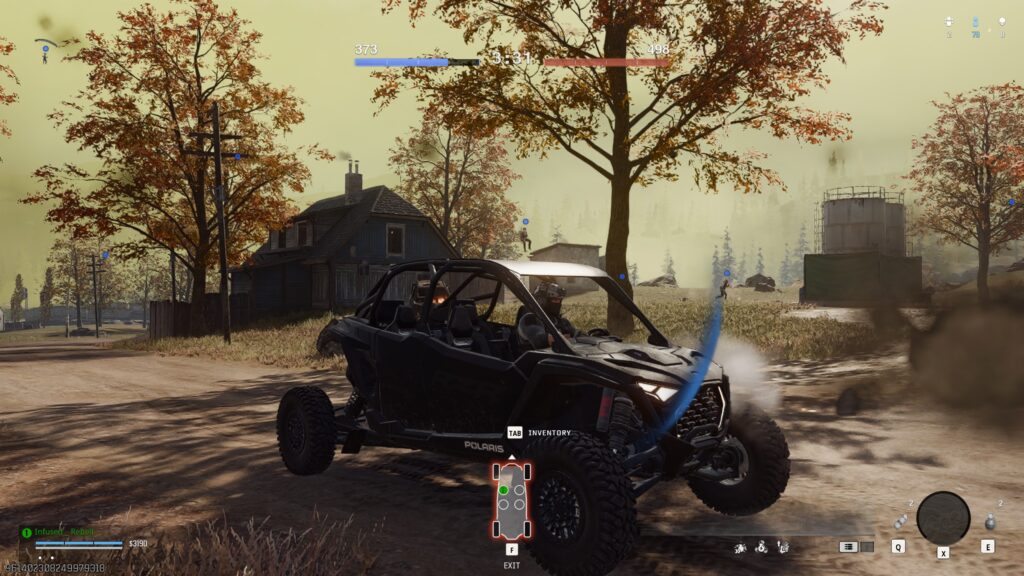
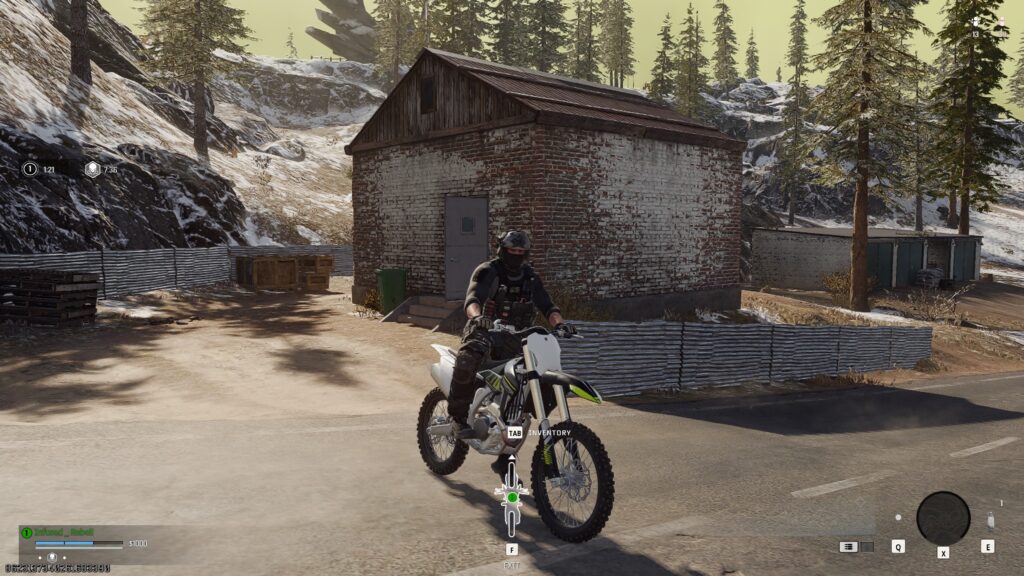
All-Terrain Vehicles (ATVs) are the fastest ground transport in Warzone 2, capable of reaching top speeds of nearly 70 mph on flat terrain. Their lightweight design offers exceptional handling and drift capabilities, allowing for rapid dodges and swift lane changes when evading enemy fire. However, this agility comes at the cost of minimal armor—two explosive hits can destroy an ATV—and a high player exposure profile, as riders lack any cover. In early-game looting phases, ATVs excel at bridging large distances quickly, especially when the circle closes rapidly near open fields like Pines or Ashika Beach.
Many players use them to flank unsuspecting squads entrenched in mid-map compounds. ATVs are also often the cheapest to maintain in terms of fuel, as no fuel is required—spawning near designated ATV points—making them ideal for low-cash rotations. However, by mid- to late-game, the vulnerability to RPGs and vehicle-mounted weapons makes ATVs less viable in high-enemy-density areas. Overall, ATVs shine for quick solo pushes and initial rotations but should be abandoned for more armored rides as engagements intensify.
SUV 4×4: Balanced Transport with Moderate Armor
SUV 4x4s strike a balance between speed, armor, and mobility. With a top speed around 55 mph and moderate all-around protection—surviving two to three 5.56mm rifle rounds to the engine—they serve as versatile mid-game vehicles. Their four-door design allows squads of up to four players, offering simultaneous cover for multiple passengers. The enclosed cabin provides limited ballistic protection, enabling heroes to rotate under light sniper or LMG fire without immediate destruction.
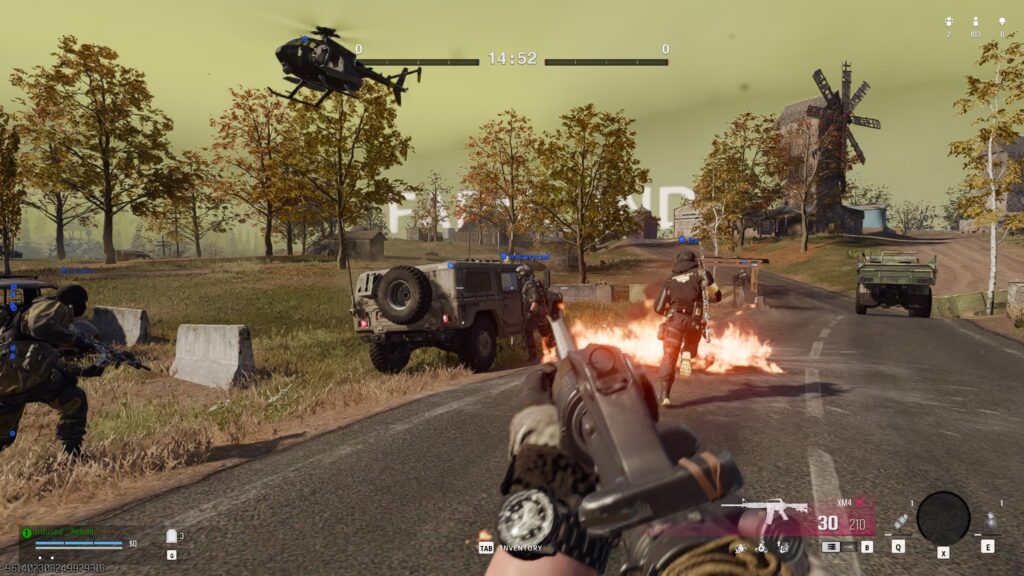
Additionally, some blue variants come equipped with a top-mounted light machine gun, offering suppressive fire when pushing contested zones. Fuel costs for SUVs are moderate—one refill typically allows two full rotations around the map—making them viable for sustained mid-game travel and repeated engagements. On maps like Pines or Capitol, an SUV can navigate urban streets quickly while shielding teammates. The main drawback is their lower agility compared to ATVs; tight cornering is sluggish, and they are vulnerable to sticky grenades and explosive drones. Nonetheless, SUVs excel as dependable squad transports, particularly when rotating through semi-open terrain under moderate fire.
Pickup Trucks: Power and Durability for Offensive Pushes
Pickup Trucks in Warzone 2 serve as rolling fortresses: their heavy armor can withstand multiple explosive rounds, enabling squads to mount aggressive pushes into fortified enemy positions. With two weapon mounts (often light machine guns or C6 mines), pickups transform into mobile gun platforms that can suppress or clear enemy compounds effectively. Their practicality shines in mid- to late-game scenarios when teams need to break through heavily defended access points—such as the entrance to Radio Tower or compound gatehouses in Capitol.
However, this power comes at the expense of speed and maneuverability; the truck’s top speed hovers around 45 mph, and its turning radius is large, making evasive maneuvers nearly impossible. Additionally, fuel consumption is high—long rotations can drain a full tank—so pickups are best used for short, intense bursts rather than sustained travel. Deploying a pickup near a compound gives a significant advantage: the mounted gun can pin down defenders while teammates disembark and clear interiors. In final circles that converge on compound rooftops, parking a pickup at an entrance can serve as a mobile barricade, forcing enemies into predictable sightlines. For squads emphasizing offense over stealth, Pickup Trucks are an indispensable asset.
Cargo Trucks: Siege Engines for Late-Game Defense
Cargo Trucks represent the apex of armored transport in Warzone 2, boasting reinforced armor plating that can absorb multiple rocket hits before destruction. With seating for up to four, cargo beds filled with sandbags, and optional mounted turrets, these vehicles serve as siege engines—ideal for staking claims on open-air objectives or rooftop strongholds. In the late game, when circles force teams to hold fixed positions near exposed terrain, positioning a cargo truck behind cover provides near-impregnable protection. However, the truck’s speed is the lowest among all vehicles—maxing out around 40 mph—and its handling is cumbersome, making it a liability for rotations. Fuel consumption is also the highest; a single refuel covers only one full map-wide journey. Many squads reserve cargo trucks for endgame scenarios: once the circle shrinks to a compound or narrow corridor, they park the truck at a choke point, disembark, and use the mounted weapon to provide overwatch. The combination of heavy armor and suppressive fire makes it extremely difficult for opponents to push without coordinated flanking. If you secure a cargo truck near a fortified location, you essentially gain a mobile fortress, making it a top-tier defensive option when survival is paramount.
Helicopters: Airborne Dominance and Rapid Evacuation
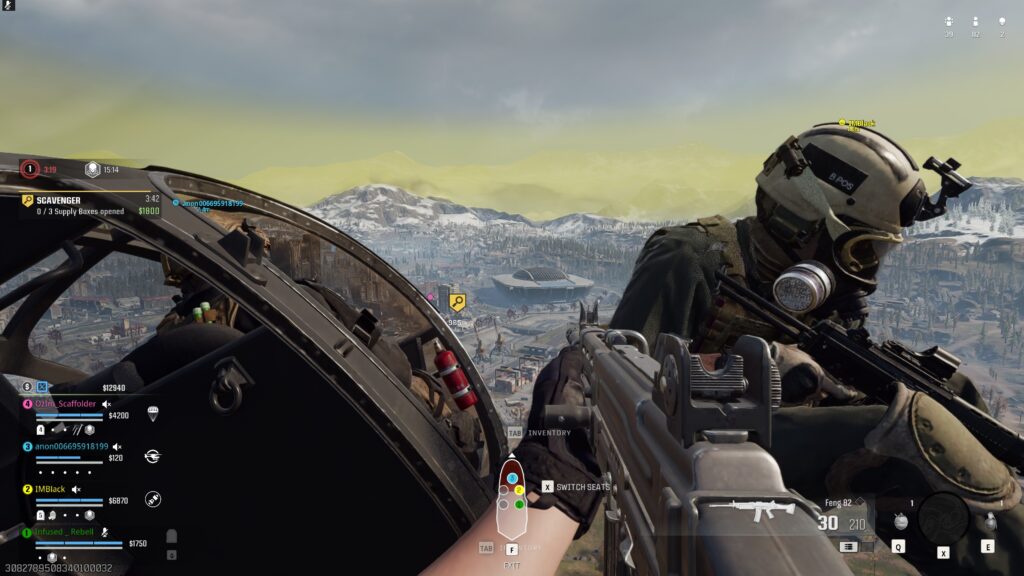
Helicopters offer unmatched map mobility and verticality, allowing squads to bypass ground threats and secure high-value high ground in seconds. With a top speed of 90 mph and the ability to hover over objective zones, helicopters are essential for rapid rotations, especially during sudden circle shifts that ground vehicles cannot outrun. Armed variants feature side-mounted cannons—commonly M134 miniguns—ideal for strafing enemies attempting rotations through open areas. However, helicopters suffer from fragility: a single stray Stinger missile or well-placed RPG can force immediate ejection, often fueling pilot-target duels.
Fuel consumption is low relative to speed, enabling multiple sweeps across the map, but repair kits or armor plates are required to keep the chopper airworthy after receiving damage. In the mid-game, capturing a helicopter from a high spawn tower provides significant map control; for example, on Caldera 2.0, players often secure choppers near Mountain Peaks to dominate the entire western quadrant. Ultimately, helicopters excel when squads coordinate scouts on the ground, use the aerial vantage for recon, and execute high-speed insertions or extractions, making them a deadly combination of offense and survival mobility.
Vehicle Meta Comparison Table
| Vehicle Type | Speed (Max MPH) | Armor Level | Passenger Capacity | Utility |
|---|---|---|---|---|
| ATV | 70 | Low (2 explosive hits to destroy) | 1–2 | Rapid solo rotations, flanking; avoid mid-/late-game battles |
| SUV 4×4 | 55 | Moderate (3 rifle rounds to engine) | 4 | Squad transport, light cover; ideal for mid-game pushes |
| Pickup Truck | 45 | High (5 explosive hits to disable) | 4 | Mobile offense; break enemy chokepoints; heavy gun mounts |
| Cargo Truck | 40 | Very High (7–8 explosive hits to destroy) | 4–6 | Endgame defense; mobile barricade; mounted heavy weapons |
| Helicopter | 90 | Moderate (4–5 rocket hits to force ejection) | 4 | Air recon, fast rotations, high-ground control; prone to AA |
Conclusion
Warzone 2’s current vehicle meta rewards players who select rides aligned with their operational goals—whether that’s lightning-fast rotations via ATVs, squad-based mid-game pushing in SUV 4x4s, heavy offense with Pickup Trucks, unbreakable defense in Cargo Trucks, or aerial supremacy via Helicopters.
Understanding each vehicle’s speed, armor, passenger capacity, and tactical utility allows you to adapt to both map and match progression. Early and mid-game, prioritize ATVs and SUVs for efficient looting and rotation; transition to Pickup Trucks and Helicopters for complex engagements; and reserve Cargo Trucks for final circles where survival outweighs mobility. By mastering the nuanced applications of each ride—balancing agility, firepower, and protection—you’ll secure both survival and offensive dominance in every Warzone 2 scenario.

Leave a Reply