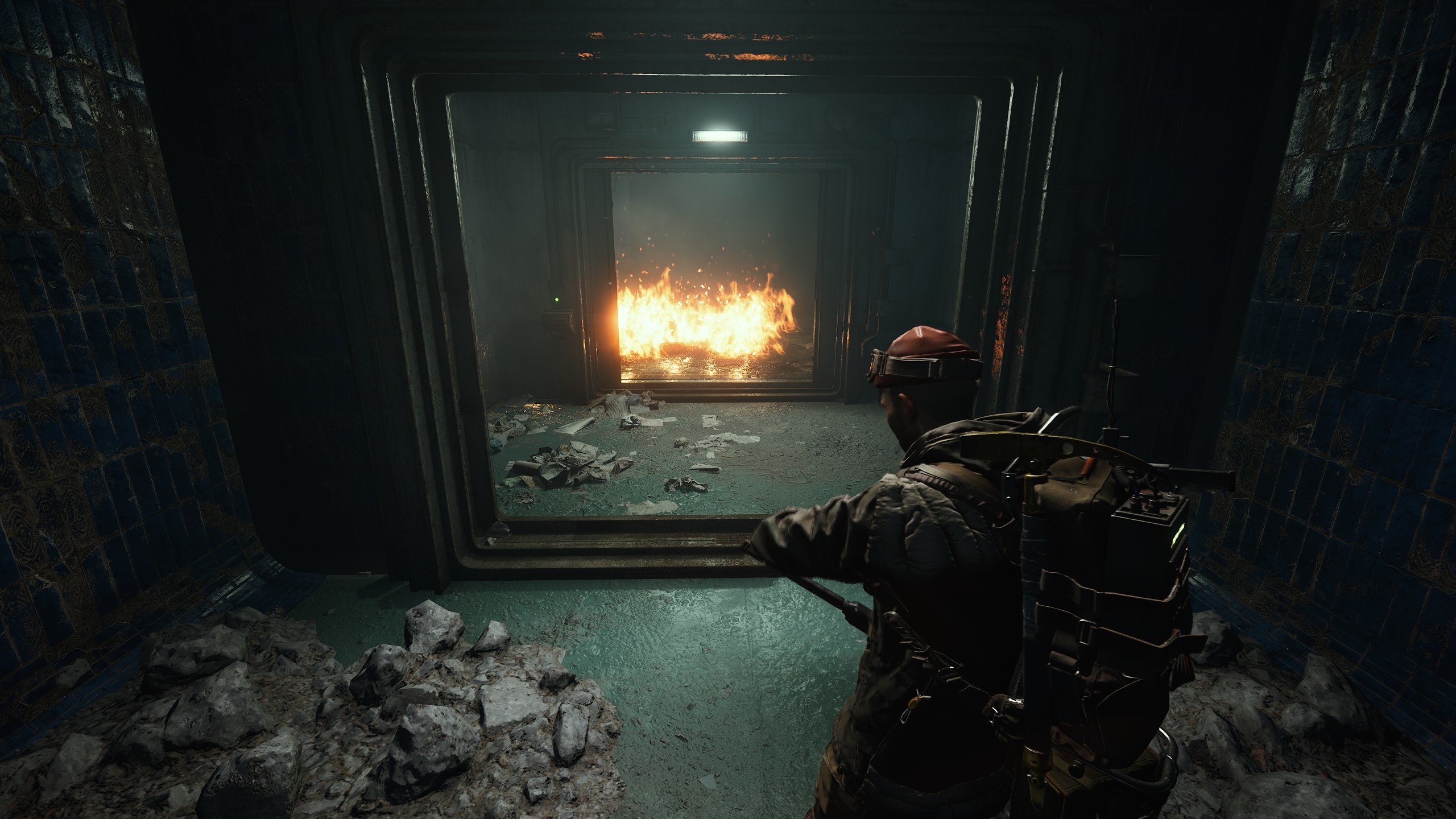
Target selection in ARC Raiders firefights determines engagement outcomes. Proper priority eliminates threats efficiently and reduces team danger. This guide teaches target prioritization for combat effectiveness.
Target Threat Assessment
Understanding threat levels enables proper target selection. The table below ranks enemy types by priority:
| Target Type | Threat Level | Difficulty | Priority |
|---|---|---|---|
| Enemy snipers | Extreme | Medium | 1st |
| Heavy weapons | Extreme | High | 1st |
| Medics/Support | High | Low-Medium | 2nd |
| Flanking enemies | High | Variable | 2nd |
| Standard riflemen | Medium | Low | 3rd |
| Scout units | Low | Low | Last |
High-Value Target Identification
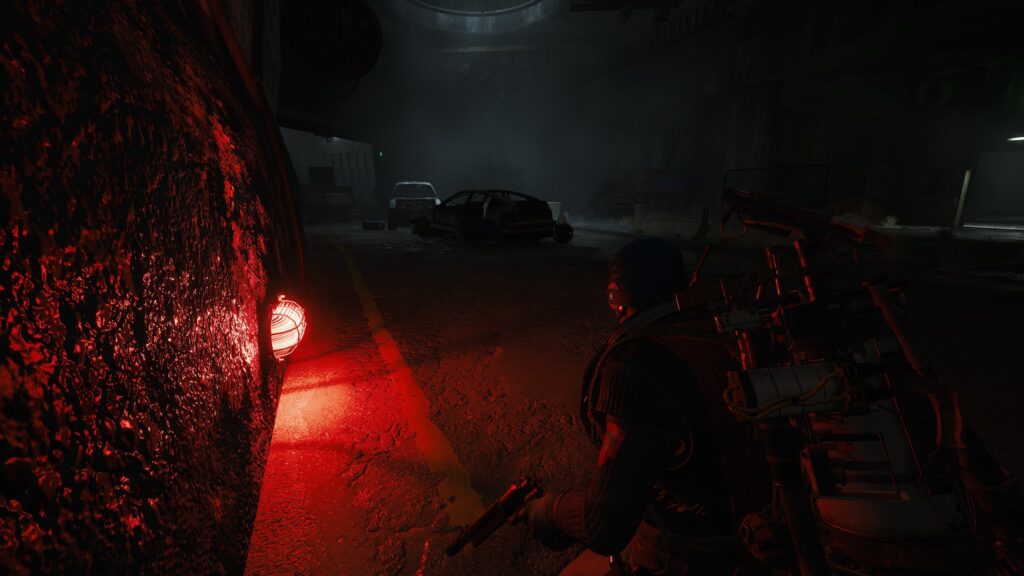
Recognizing priority targets enables quick elimination. Snipers positioned on high ground typically. Heavy weapons visible by equipment size. Medics carry distinctive medical packs. Flankers appear at unexpected angles. Leadership targets direct enemy movements. Visual identification becomes automatic with practice.
Focus Fire Coordination
Team focus fire eliminates priority targets rapidly. Call targets clearly for team awareness. Simultaneous fire overwhelms single targets. Trade kills favorably through focus. Communication enables target transitions. Distributed fire wastes damage potential. Coordinated focus wins engagements.
Situation-Based Priorities
Target priority shifts based on combat context. Defensive situations prioritize closest threats. Offensive pushes eliminate position holders first. Low health teammates require threat removal. Extraction scenarios prioritize interceptors. Context determines priority adjustments. Flexible thinking beats rigid rules.
ARC Unit Priority
Machine targets require different prioritization logic. Scout drones first to prevent alerts. Heavy units before they establish fire. Turrets before they lock positions. Hackers before electronic damage occurs. Unit combinations require prioritized elimination. Machine logic differs from human enemies.
Target Switching Efficiency
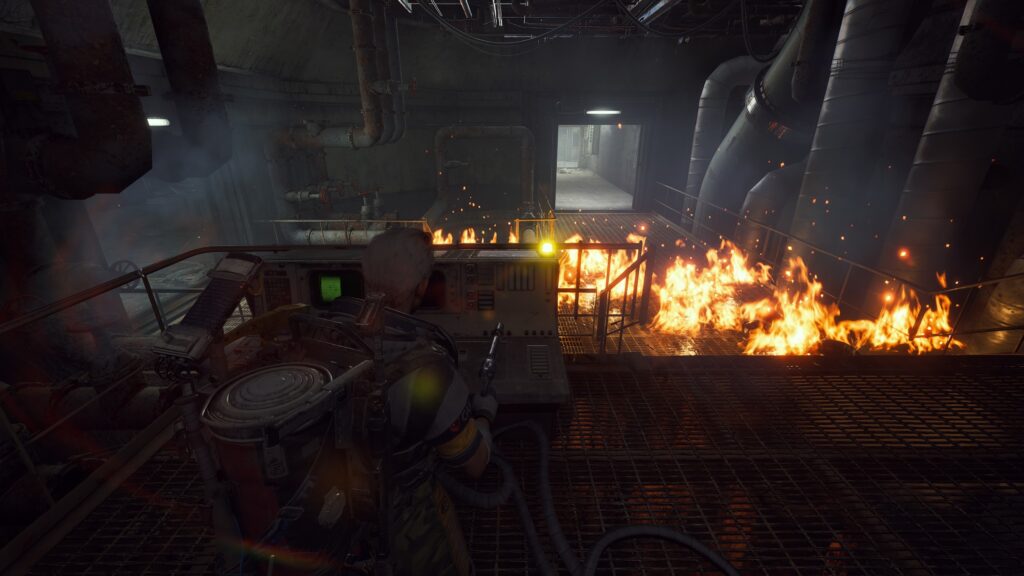
Quick target transitions maintain combat momentum. Identify next target before current falls. Smooth transitions prevent damage gaps. Communication coordinates team switching. Ammunition status affects switching timing. Efficient switching sustains pressure continuously. Practice enables muscle memory switching.
Avoiding Priority Mistakes
Common target selection errors cost engagements. Killing low threats while high threats active. Tunnel vision on single target type. Ignoring flanking threats completely. Chasing wounded while fresh enemies fight. Priority discipline requires conscious effort. Smart targeting wins unfair fights.

Leave a Reply