

Since its introduction, the killstreak system in Call of Duty has undergone dramatic changes—shaping multiplayer strategy, rewarding individual performance, and sometimes altering the very pace of a match.
From early staples like the UAV to later legendary rewards like the Juggernaut suit, each iteration has reflected design philosophies and player feedback. This article examines killstreaks chronologically, exploring design milestones, gameplay impact, community reactions, and how each generation laid the groundwork for the next. Whether you remember your first Predator Missile or your last Moab, here is the definitive evolution of killstreaks in CoD history.
Origins: Modern Warfare’s Foundational Killstreaks
Call of Duty 4: Modern Warfare (2007) introduced streak-based rewards tied strictly to kills without dying. The first three tiers—UAV (3 kills), Predator Missile (5 kills), and Harrier Strike (7 kills)—prioritized reconnaissance and explosive area denial.
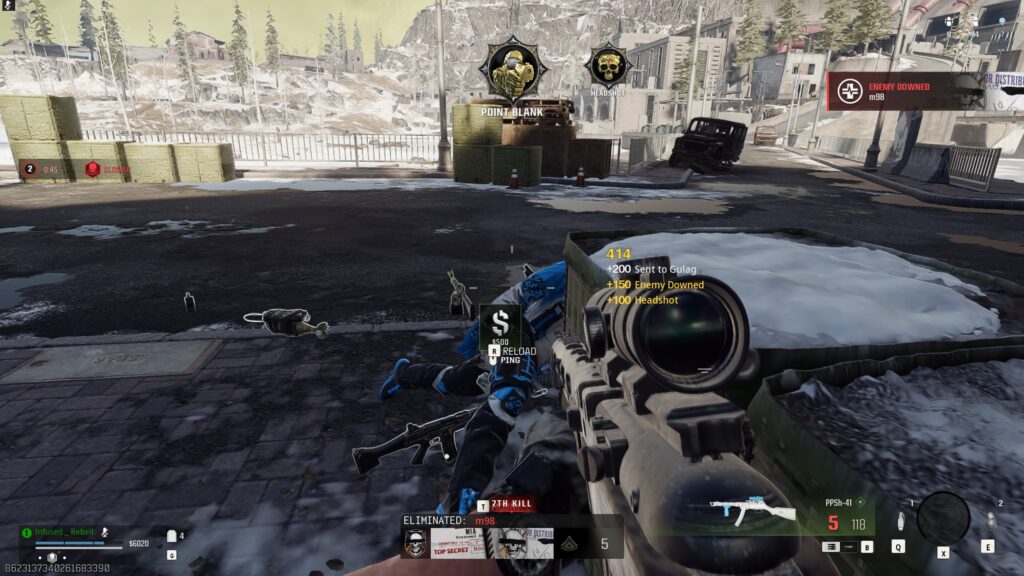
These simple yet impactful rewards encouraged aggressive play, as players sought uninterrupted kill runs. The UAV gave crucial intel, the Predator Missile allowed one-time map-wide strike control, and the Harrier combined air reconnaissance with automatic strafing runs. This system rewarded high-skill play but discouraged spawn camping by resetting upon death. Its success paved the way for deeper customization in subsequent titles.
Black Ops Era: Introducing Tactical Depth and Prestige
Black Ops (2010) expanded killstreaks with additional tiers—Seeker Missile (8 kills) and Napalm Strike (11 kills)—and introduced the concept of “pick 10” customization, letting players freely choose which killstreaks to equip (selecting from a menu with point costs).
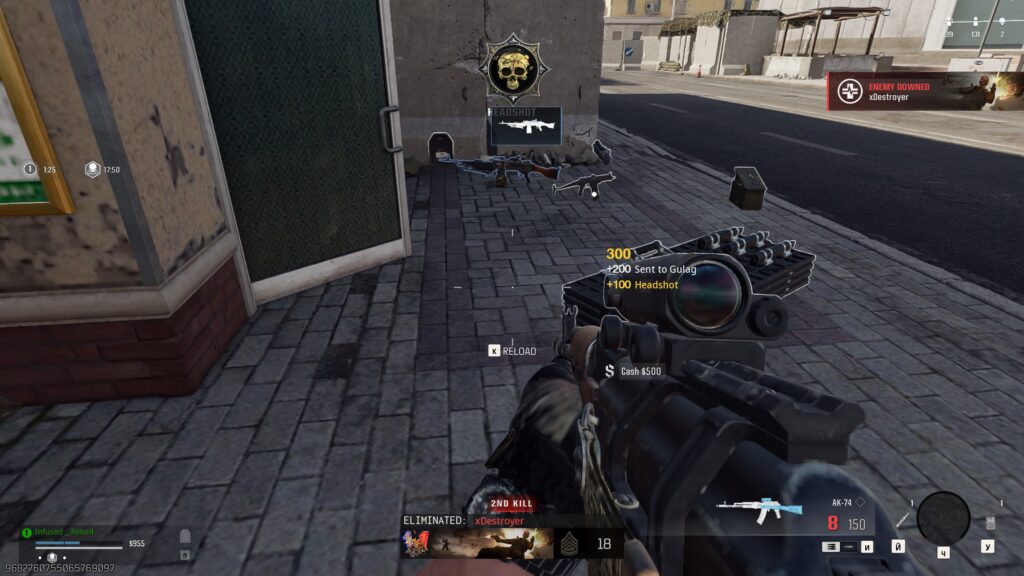
This shift allowed for tactical loadouts: a player with few supports might choose lower-tier UAVs, while a high-performing player might invest in a Chopper Gunner or even a Blackbird (15 kills) for repeated area denial. Black Ops prioritized variety and player choice, leading to diverse strategies—teams could field multiple UAVs for constant intel or focus on high-tier rewards for decisive strikes.
Modern Warfare 2 and 3: Overkill, Juggernaut, and Controversy
Modern Warfare 2 (2009) further amplified killstreak power by introducing the Juggernaut (12 kills) and Tactical Nuke (25 kills). The Juggernaut suit granted near-invulnerability and a mounted machine gun, turning players into unkillable juggernauts for short windows. The Tactical Nuke instantly ended the match for the assister’s team, creating “nuke games” that focused on unwavering killstreak pursuit.
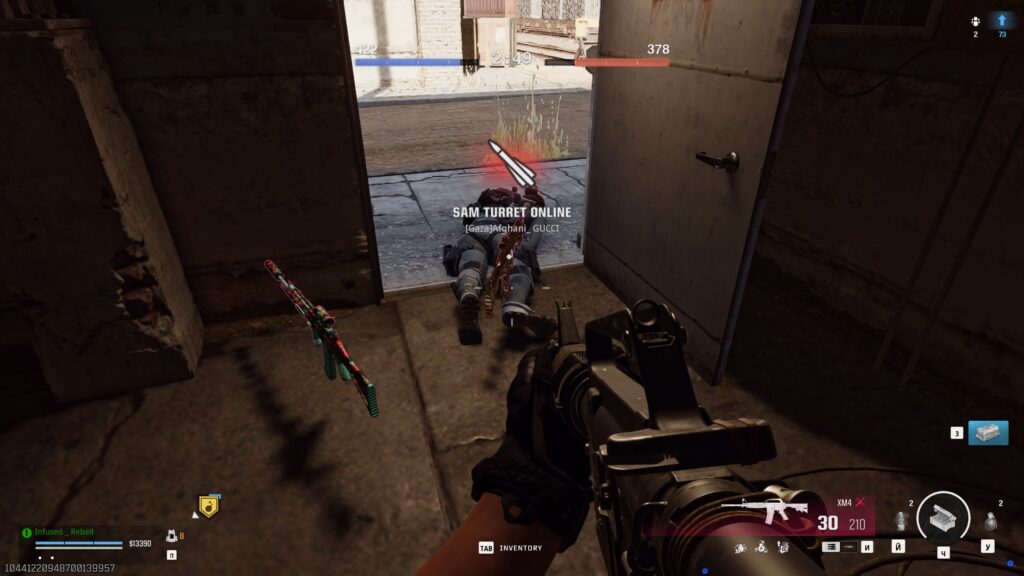
While exhilarating, this led to frustration—players accused high-skill users of ruining match balance. Developers attempted to address this with “Support” and “Attack” streak classes in Modern Warfare 3 (2011), separating high-impact streaks (Attack) from more frequent but modest supports, thus preventing over-concentration of lethal rewards.
Black Ops II and Advanced Warfare: Scorestreaks and Specialist Systems
Black Ops II (2012) replaced kill-based streaks with scorestreaks—accumulating score from kills, assists, and objective play—reducing emphasis on pure kill runs. This change rewarded objective play (captures, defuses) with versatile streak builds like the Mothership (care package for all teammates). Advanced Warfare (2014) introduced the Specialists system: instead of killstreak rewards, players unlocked personal abilities (e.g., Active Camo, Gravity Spikes) as they racked up kills. This redefined the reward dynamic—emphasizing individual power over team-wide impact—and stirred debate: while some praised the unique playstyle, others missed traditional killstreak satisfaction.
Warzone and Recent Iterations: Compact Kills, Loadout Drops, and Lethal Precision
Call of Duty: Warzone (2020) streamlined rewards into compact “Killstreak Packages” purchasable with in-match cash—decoupling kills from rewards entirely. Players could buy UAVs, Cluster Strikes, and Advanced UAVs on demand, emphasizing strategic spending and economic management.
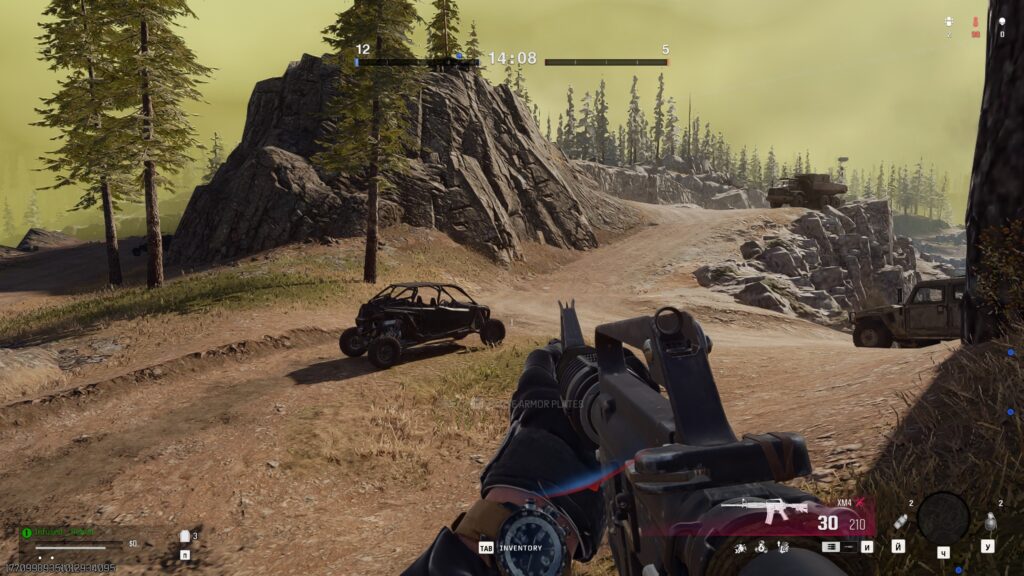
Traditional streaks like Helicopter Gunner and Cluster Storm complemented automatic loadout drops, bridging battle royale and traditional multiplayer motifs. Call of Duty: Vanguard (2021) and Modern Warfare II (2022) reintroduced customizable scorestreaks aligned with their respective progression systems—allowing presets and dynamic streak earn rates based on match mode (Team Deathmatch vs. Domination), thus balancing power across environments.
Key Killstreak Milestones and Impact Table
| Title & Year | Kill/Score Requirement | Notable Killstreaks/Scorestreaks | Impact on Gameplay |
|---|---|---|---|
| CoD4: MW (2007) | 3, 5, 7 kills | UAV, Predator Missile, Harrier Strike | Established streak fundamentals; encouraged aggressive play and supply of recon |
| MW2 (2009) | 5, 7, 9, 11, 12, 25 kills | Attack Helicopter, Russian UAV, Juggernaut, Tactical Nuke | Escalated reward power; controversy over match balance; defined nuke meta |
| Black Ops II (2012) | Variable score (400–1400) | Mothership, Swarm, VTOL | Shift to scorestreaks encouraged objective play; diversified reward pathways |
| Advanced Warfare (2014) | Kill-based Specialist tiers | Active Camo, Holographic Decoy, Anomaly | Personal abilities replaced killstreaks; mixed reception regarding balance |
| Warzone (2020) | Cash purchase | UAV, Cluster Strike, Loadout Drop | Economy-based rewards; reduced dependence on kills; integrated BR mechanics |
Conclusion
Killstreaks in Call of Duty have evolved from simple kill-based rewards to complex score- and economy-driven systems—each reflecting changes in design philosophy, player expectations, and game modes. While early titles prioritized raw killstreak power, later iterations balanced individual skill with team-oriented objectives, eventually integrating into battle royale frameworks.
Understanding this evolution helps appreciate how designers maintain balance, encourage varied playstyles, and keep the franchise fresh. As the series progresses, future killstreaks will undoubtedly continue to innovate—shaped by community feedback and the ever-changing landscape of online shooters.

Leave a Reply