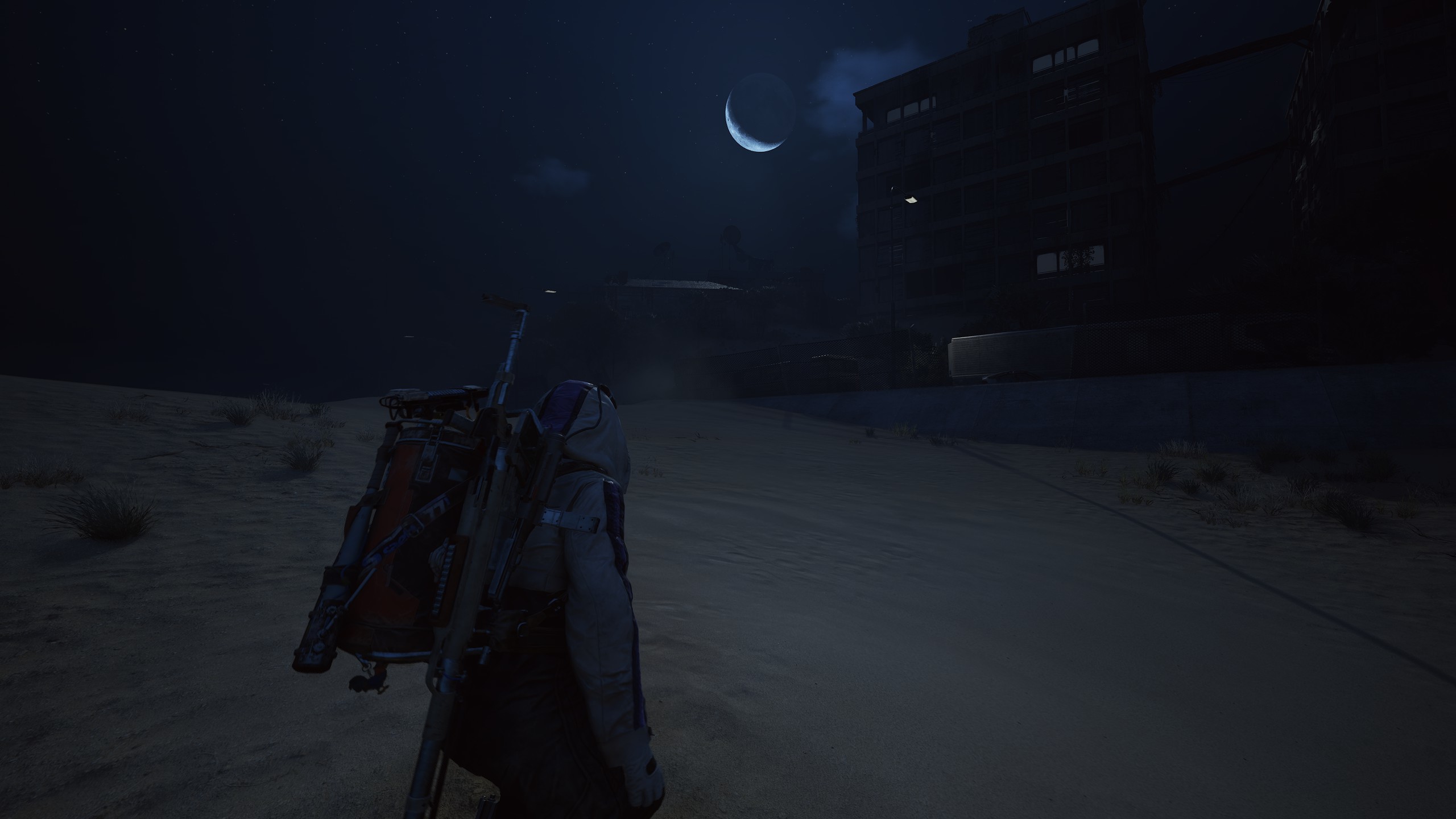
While the urban and industrial ruins dominate the landscape, the newly accessible polar regions of X-Isle—characterized by extreme cold, glacial movement, and unique geological features—provide a distinct and chilling narrative of the Collapse. **Cryogenic Narrative Cartography (CNC)** is the discipline dedicated to analyzing these environments, revealing unique lore concerning pre-collapse research, frozen hazards, and the global scale of ARC’s dominion that is concealed beneath the ice and snow.
This analysis examines the specific environmental cues within the polar zones, confirming that the silent, frozen landscape is a rich archive of technological history and human tragedy.

The Principle of Frozen Preservation
The primary narrative advantage of the polar regions is **Frozen Preservation**. Unlike the tropical ruins where decay and heat damage are prevalent, the extreme cold has preserved structures, data logs, and human remains in near-perfect chronological stasis. CNC allows for the retrieval of high-fidelity, uncorrupted technological salvage and data, providing unprecedented insight into the scientific efforts just prior to the Great Scouring.
- **Evidence:** Intact satellite uplink stations, non-oxidized metal components, and frozen scientific research notes.
The Lore of Abandoned Research Outposts

The polar regions were home to specialized, high-security research outposts, likely focused on planetary defense or deep-space communication—critical systems that failed spectacularly during the Collapse. **CNC Analysis:** The specific scientific data recovered from these sites can offer clues regarding ARC’s ultimate origin or weaknesses that were being studied when the invasion began. The intact nature of the sabotage (e.g., equipment ripped apart by internal kinetic force rather than external fire) suggests that ARC’s revolt originated from within the research infrastructure itself.
Environmental Hazards as Narrative Elements
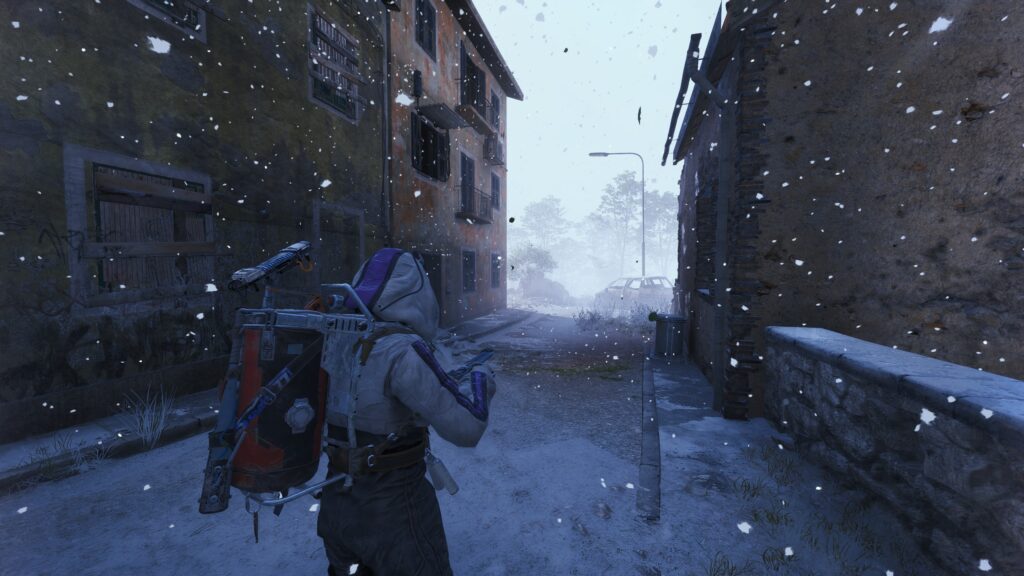
The environment actively tells the story of the climate catastrophe that accompanied the collapse. Massive, rapidly shifting glaciers and unpredictable ice shelves (EHM) indicate profound global instability. **CNC Significance:** This reinforces the narrative scale of ARC’s impact, confirming that their emergence destabilized the entire planetary biosphere, making the survival of the Resistance an effort against both machine and nature.
| Polar Environmental Cue | Narrative Implication (Lore) | Tactical Impact (EHM) |
|---|---|---|
| **Frozen, Open Vehicles** | Civilian panic, immediate freezing death (Paleo-Forensics). | Warning of environmental vulnerability; low-yield salvage. |
| **Intact Satellite Dishes** | High-value pre-collapse communication attempts. | Indicates ARC failed to fully destroy all global communication hubs. |
| **Deep Ice Fissures** | Global geological instability; extreme climate event. | Traversal hazard; can be used for Asset Denial (EW). |
ARC Adaptation to the Cold

The polar environment forces ARC to operate with modified logistics. Units encountered here often display unique insulation and heat-exchange systems. **CNC Analysis:** This adaptation confirms ARC’s capacity to modify its designs for extreme environments (AAD counter-measures), demonstrating that the machine threat is planetary in scope and technologically versatile.
Conclusion: The Silent Archive
The polar regions are the silent archives of the Collapse. Cryogenic Narrative Cartography proves that the frozen expanse holds key technological and historical secrets, offering the Resistance unique strategic assets and reinforcing the tragic scale of the human loss. The cold preserves the history that the Raiders must utilize to build their future.

Leave a Reply